How Fintech is Making Money Management Easier and Cheaper
Finance has undergone a radical transformation in recent years, largely driven by the rise of fintech—financial technology. As someone
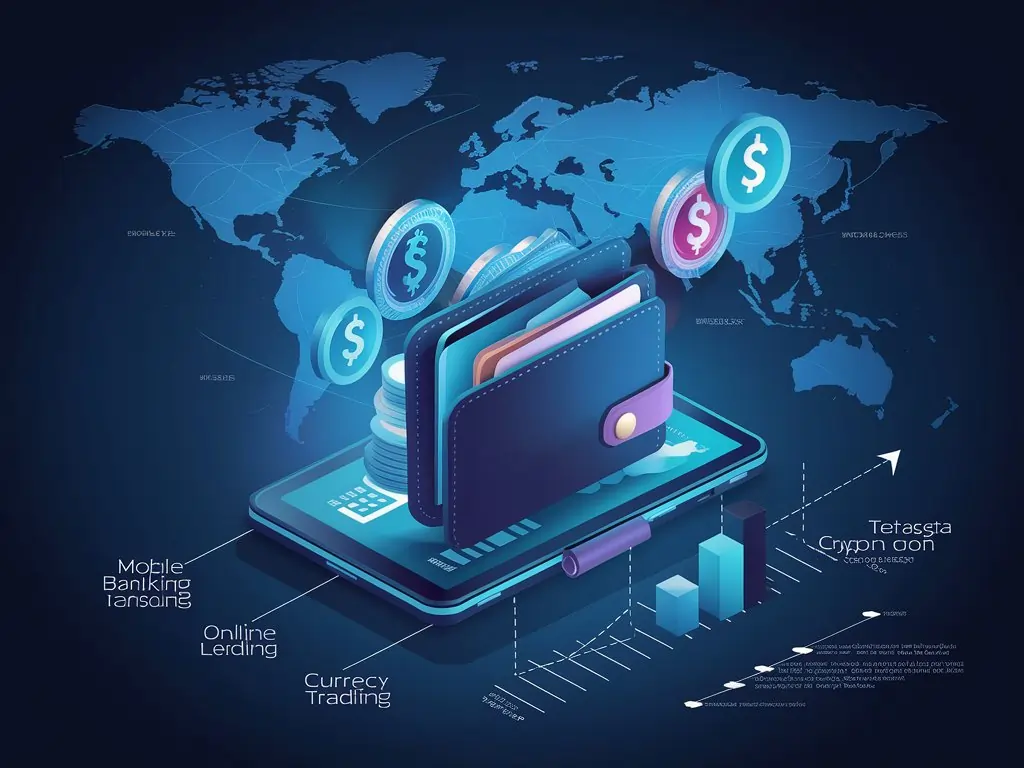
Finance has undergone a radical transformation in recent years, largely driven by the rise of fintech—financial technology. As someone who has seen the evolution of banking and finance over the past few decades,
I can’t help but marvel at how much easier and more cost-effective managing money has become. Gone are the days of spending hours in a bank branch just to complete basic transactions. Today, technology has brought banking to our fingertips, enabling us to manage our finances from the comfort of our own homes.
One of the most significant advantages of fintech is the reduction in costs for financial products. Traditional banking often comes with a slew of fees—maintenance fees, transaction fees, and more.
These costs can add up quickly, making financial management an expensive endeavor. Fintech companies, however, leverage technology to streamline operations and reduce overhead costs. This efficiency translates to lower fees for consumers.
For example, online-only banks typically don’t have the expenses associated with physical branches, allowing them to offer higher interest rates on savings accounts and lower rates on loans.
Moreover, fintech has democratized access to financial services. In the past, securing a loan or opening an investment account often required a face-to-face meeting with a bank representative.
This could be a barrier for people with busy schedules or those living in remote areas. Now, with fintech, these services are available online, often with just a few clicks. Mobile banking apps, peer-to-peer lending platforms, and robo-advisors have made it possible for more people to access and manage their finances, regardless of their location or time constraints.
Take, for example, Rutland FX, a fintech company that specializes in international money transfers. Moving money across borders used to be a cumbersome and expensive process.
Traditional banks would charge hefty fees and offer poor exchange rates, making it costly for individuals and businesses to send money abroad.
Rutland FX has changed the game by providing a platform that allows users to transfer money quickly and at a fraction of the cost.
By utilizing technology to find the best exchange rates and automate transactions, Rutland FX saves customers both time and money. This ease and affordability have made it a popular choice for people looking to move money internationally.
The convenience of fintech extends beyond cost savings. The ability to manage finances online has changed consumer behavior significantly.
People are more engaged with their financial health, thanks to the accessibility and user-friendly interfaces of fintech apps. Budgeting tools, expense trackers, and financial planning services are now available to everyone, not just those who can afford a personal financial advisor.
This increased engagement has led to better financial literacy and more proactive money management.
Additionally, fintech has fostered innovation in the financial sector. Companies are continuously developing new products and services to meet the evolving needs of consumers.
From cryptocurrency exchanges to mobile wallets, the variety of options available today is unprecedented. This innovation drives competition, which further benefits consumers by pushing prices down and improving the quality of services.
As a seasoned observer of the financial industry, I am excited about the future of fintech. The integration of technology in finance has not only made financial products cheaper and more accessible but also empowered individuals to take control of their financial destinies.
With companies like Rutland FX leading the charge, the days of relying solely on traditional banks are behind us. The convenience, affordability, and innovation brought about by fintech are truly transforming how we manage our money.
In conclusion, fintech is reshaping the financial landscape, making it easier and more affordable for consumers to access and manage financial services. By leveraging technology, fintech companies reduce costs, increase accessibility, and drive innovation.
As we move forward, I am confident that fintech will continue to play a pivotal role in enhancing our financial lives.