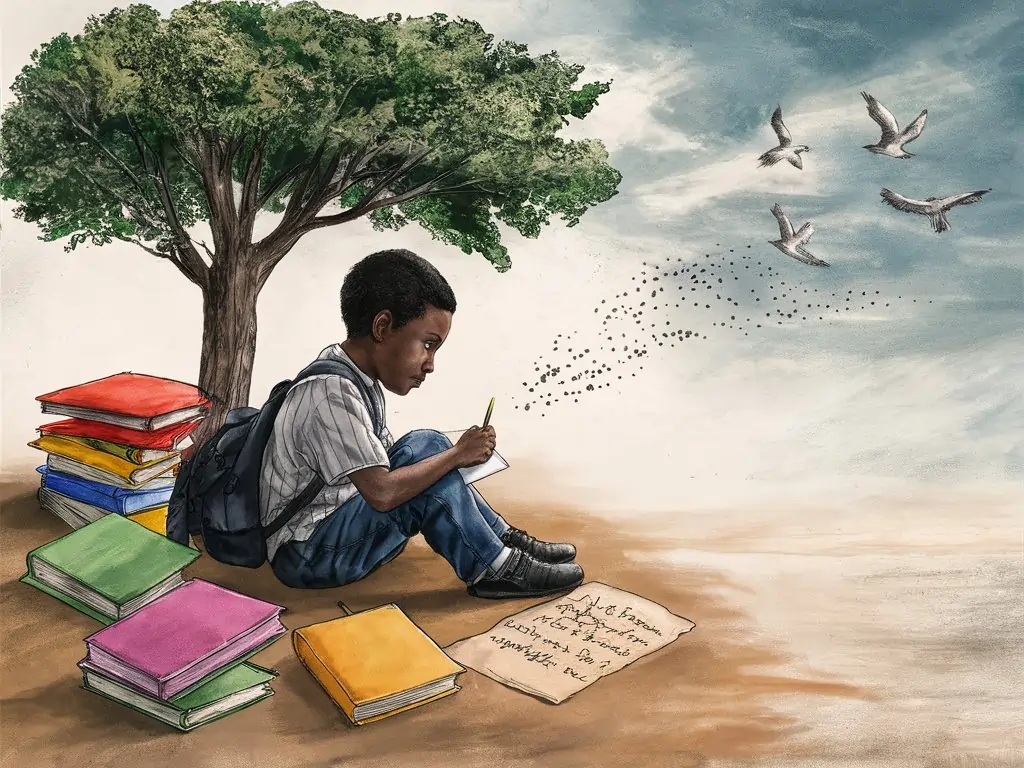
Empowering Young Minds with Inclusive Learning Spaces
Education is a powerful tool for shaping the future, and creating inclusive learning spaces is essential for ensuring no

Education is a powerful tool for shaping the future, and creating inclusive learning spaces is essential for ensuring no student is left behind. By fostering environments where every individual feels valued and supported, we can unlock the potential of every young mind. But what makes a learning space “inclusive,” and why does it matter so much?
This blog explores the principles of inclusive education, actionable ways schools can implement them, and the profound impact they have on students. Whether you’re an educator, parent, or school administrator, this guide offers tools to build better learning environments for all.
What Are Inclusive Learning Spaces?
At their core, inclusive learning spaces are environments designed to accommodate the diverse needs of all students. They celebrate differences in abilities, cultural backgrounds, and learning styles. Instead of viewing diversity as a challenge, these spaces see it as a strength.
Key features of inclusive learning spaces include:
- Accessibility: Physical spaces should accommodate mobility challenges with ramps, elevators, and adaptive furniture.
- Cultural Representation: Class materials and visuals should reflect a variety of cultural identities to celebrate diversity.
- Support Systems: Tailored resources like special education services, counselors, and speech therapists should be accessible to students who need them.
Schools like charter schools in Salt Lake City are already leading the charge with innovative strategies for inclusivity, setting an example for how educational spaces can evolve.
Why Inclusivity Matters in Education
1. Promotes Equal Opportunities
Inclusive learning spaces level the playing field, making it possible for every student to reach their highest potential. Students with disabilities, language barriers, or unique learning needs often face challenges in traditional classrooms. An inclusive space ensures they are supported, reducing disparities and building confidence.
2. Fosters Empathy and Collaboration
Bringing students of different backgrounds together fosters empathy and broadens perspectives. Activities like group projects and workshops help children learn to work with others who think, behave, or learn differently. This not only prepares them for teamwork in future workplaces but also nurtures a more compassionate society.
3. Enhances Academic Outcomes
Research consistently shows that inclusivity boosts academic performance. When students feel supported and valued, they engage more deeply with learning. For example, schools that provide tools tailored to individual needs often see an increase in test scores, retention rates, and overall student satisfaction.
4. Addresses Teacher Burnout
Teachers benefit from inclusivity as much as students. Schools equipped with support staff and resources help reduce the burden on educators. When teachers work within collaborative systems, they feel more prepared to address the diverse needs of their classrooms efficiently.
Five Strategies to Build Inclusive Learning Spaces
1. Start with Professional Development
Empowering teachers and staff with training on inclusivity is crucial. Workshops on recognizing unconscious bias, understanding different learning styles, and effective communication set the tone for an inclusive culture. Investing in ongoing professional development ensures that inclusivity remains a priority, not a one-off initiative.
2. Incorporate Assistive Technology
Technology has revolutionized inclusivity in education. Tools like text-to-speech software, digital translators, and adaptive devices help bridge gaps for students with special needs. For instance, a student with visual impairments can access learning materials through screen readers or braille displays.
3. Collaborate with Families
Families provide valuable insights into a child’s unique needs. Schools should actively involve parents and guardians in the learning process through regular conferences, open communication channels, and surveys. Collaborative partnerships strengthen the support network for students.
4. Create a Universal Design for Learning (UDL) Framework
UDL is a teaching approach that provides multiple means of representation, engagement, and expression to cater to diverse learners. By offering various ways to access information (like videos, infographics, and text), students can choose methods that work best for them.
5. Cultivate a Culture of Respect
Inclusivity goes beyond physical accommodations and individualized learning plans. Building a culture of respect where kindness and understanding are central values makes a significant difference. Anti-bullying programs and peer mentors can help create this supportive atmosphere.
Real-Life Success Stories
Schools across the country are already making strides. For example, charter schools in Salt Lake City have implemented small class sizes, personalized learning plans, and community-focused values to create a welcoming environment for all students. These schools emphasize diversity and ensure that every child, regardless of their background, feels not only included but also empowered to thrive.
Stories from parents and students alike highlight the life-changing impact of these inclusive spaces—from a child overcoming language barriers to excel in math, to a student finding their voice through collaborative group projects.
The Path Forward: Making Education Truly Inclusive
Creating inclusive learning spaces is not just a goal; it’s a necessity for shaping the leaders of tomorrow. By addressing barriers, tailoring education to individual students, and fostering respect, we can ensure every young mind has the tools they need to succeed.
For schools, parents, and policymakers looking to build or enhance inclusive environments, the time to act is now. Together, we can reimagine education as a space where diversity isn’t just accommodated but celebrated.