How to Make Your Home Stand Out
Creating a home that feels truly unique is not only a personal statement—it’s a strategic advantage in today’s real

Creating a home that feels truly unique is not only a personal statement—it’s a strategic advantage in today’s real estate market. Across the country, many residential properties tend to follow similar architectural and design trends, which can limit both visual appeal and market differentiation. For builders, developers, architects, and real estate professionals, crafting homes that break from the norm while meeting the demands of modern living is a valuable way to attract discerning buyers and elevate brand identity. In states like Maryland, where certain regional aesthetics dominate, thoughtful innovation can set a home apart in a crowded landscape.
Designing Beyond Regional Norms
Every state has its own architectural character. In Maryland, traditional Colonial, Cape Cod, and Craftsman-style homes are common and generally well-received. However, adhering too closely to these design conventions can make a property feel generic. Creating a standout home begins by blending or modernizing traditional styles with unique materials and features. For instance, integrating industrial design elements such as steel-framed windows, standing seam metal roofs, or eco-friendly siding can provide a fresh visual identity without losing regional harmony.
The layout and exterior form of a house can also influence its memorability. Introducing asymmetrical rooflines, cantilevered living spaces, or custom masonry work gives a property distinct curb appeal. Balconies, oversized pivot doors, and exterior lighting features can all contribute to a signature architectural identity that breaks from the expected without alienating local preferences.
Elevating Interior Character and Functionality
A well-designed home interior should offer more than just visual appeal—it should solve real lifestyle needs while expressing originality. Moving beyond the open floor plan, consider the integration of multi-purpose rooms, such as enclosed glass offices, meditation nooks, or transformable guest spaces. Smart space planning—paired with unexpected design features like interior courtyards, double-height ceilings, or gallery walls—can redefine how the home is experienced.
Material and finish choices also shape a home’s uniqueness. Using reclaimed wood, exposed brick, artisanal tile, or hand-forged metalwork not only supports craftsmanship but gives each home a tangible sense of identity. Lighting, often overlooked, is a key differentiator. Well-designed lighting plans that include layered illumination—ambient, task, and accent—bring out architectural features and create a high-end experience that enhances every room’s purpose and mood.
Transforming Outdoor Living Spaces
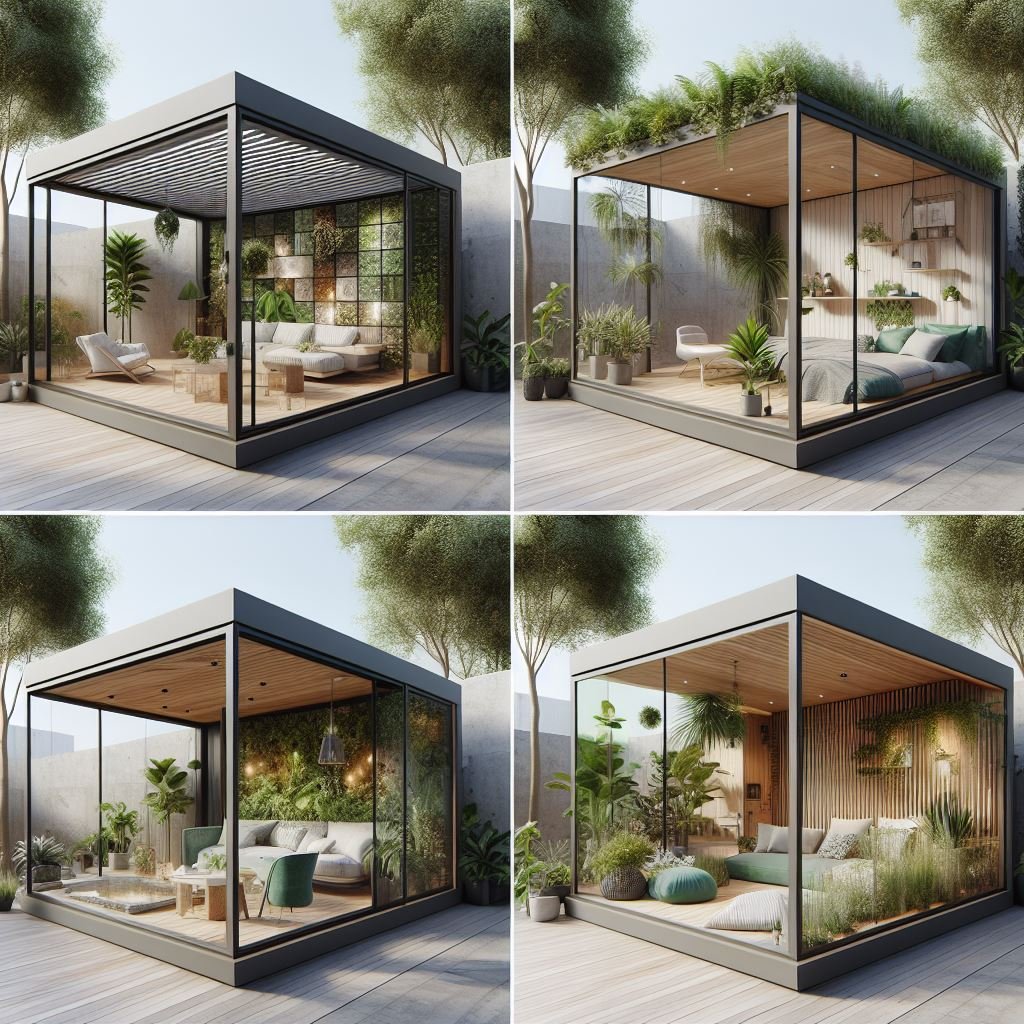
Outdoor living has become a core part of home design, particularly in regions where seasonal variation allows for multiple uses of exterior spaces. Rather than settling for standard decks or patios, create differentiated outdoor environments with covered terraces, built-in lounge seating, fire pits, and green walls. Landscaping can also serve as a branding opportunity when it includes native plant palettes, sculptural elements, or drought-resistant gardens.
An exceptional way to elevate the backyard is by incorporating a pool as a focal point of leisure and luxury. In this region, partnering with experienced pool builders in Maryland ensures that the design is not only aesthetically strong but compliant with local climate considerations and regulations. Whether it’s an infinity-edge pool, a heated spa, or a geometric lap pool with integrated lighting, these features immediately signal distinction and value. Surrounding the pool with high-end finishes like travertine pavers, pergolas, or custom water features turns the space into an experiential asset that supports premium pricing.
Integrating Smart and Sustainable Features
Homes that stand out also offer smart performance. From a systems perspective, energy-efficient HVAC, whole-home automation, and solar-ready infrastructure should be core considerations. Integrated smart controls for lighting, climate, security, and entertainment help differentiate the home’s livability. Beyond technology, sustainable design adds a layer of modern relevance—buyers are increasingly attracted to properties that demonstrate environmental consciousness through features like low-VOC materials, gray water recycling, or passive solar orientation.
Resilience is another emerging differentiator. Designing for longevity with weather-resistant materials, stormwater management, and backup power capabilities adds perceived and actual value, particularly in markets where environmental risks are increasing.
Conclusion: Thoughtful Innovation Drives Differentiation
Making a home unique within its regional context is about more than flash—it’s about thoughtfulness, functionality, and forward-thinking design. Builders and developers who challenge conventional norms while respecting local character position themselves to deliver properties that resonate deeply with buyers. From the layout and material choices to outdoor spaces and smart features, every element offers a chance to create distinction. When these elements come together in a cohesive vision, the result is a home that not only stands out—but also sets a new standard for excellence in residential design.