How to Layer Clothes Like a Fashion Pro This Season
Layering transforms simple outfits into sophisticated looks while providing practical temperature control throughout the day. This technique separates those

Layering transforms simple outfits into sophisticated looks while providing practical temperature control throughout the day. This technique separates those who merely wear clothes from those who truly understand fashion. Mastering the art of layering allows you to maximize your wardrobe’s potential, creating numerous outfit combinations from a limited selection of pieces.
Understanding the Fundamentals of Layering
Successful layering follows specific principles that balance aesthetics with functionality. The foundation involves understanding fabric weights, proportions, and color coordination. Each layer should serve a purpose rather than simply adding bulk. The goal is to create visual interest and depth while maintaining a streamlined silhouette.
Temperature regulation drives the practical side of layering. Starting with breathable base layers allows you to add or remove pieces as conditions change throughout the day. This flexibility proves invaluable whether you’re moving between air-conditioned spaces and outdoor heat or adjusting to unpredictable weather patterns.
The visual aspect of layering creates dimension in otherwise flat outfits. Combining different textures, lengths, and colors adds complexity without requiring elaborate pieces. A simple t-shirt becomes more interesting under an open flannel, which gains sophistication beneath a structured jacket. Each layer contributes to the overall aesthetic.
The Three-Layer System Explained
Professional stylists typically work with a three-layer system: base, middle, and outer layers. Understanding each layer’s role helps you make strategic choices that enhance both form and function. This framework provides structure while allowing creative flexibility.
The base layer sits closest to your skin and establishes your outfit’s foundation. T-shirts, long-sleeved, and thin turtlenecks fall into this category. Choose fitted options that won’t bunch under subsequent layers. Neutral colors work best here, though you can introduce patterns or colors if they coordinate with your overall palette.
Middle layers provide warmth and visual interest. Syna World Hoodies, sweaters, cardigans, and button-up shirts occupy this space. This layer often becomes your outfit’s focal point, so quality and fit matter significantly. Syna World offers exceptional middle-layer options that combine comfort with style, making them perfect foundations for creative layering experiments.
Outer layers protect from elements while completing your look. Jackets, coats, and vests serve this purpose. Consider weather conditions, but also think about how the outer layer interacts visually with what’s beneath. A structured jacket over a relaxed hoodie creates an appealing contrast, while a casual denim jacket complements graphic tees beautifully.
Mastering Proportions and Fit
The difference between stylish layering and looking bulky lies in understanding proportions. Each layer should be slightly larger than the one beneath it, creating clean lines rather than lumpy silhouettes. A fitted base, relaxed middle layer, and structured outer layer typically work well together.
Length variation adds visual interest without overwhelming your frame. Show a bit of your base layer at the bottom or let shirt tails peek from under sweaters. These intentional reveals create dimension and prevent everything from blending into an amorphous mass. Even small length differences make significant aesthetic impacts.
Sleeve lengths deserve special attention when layering. Pushed-up sleeves on jackets revealing hoodie cuffs underneath create casual sophistication. Long-sleeve base layers extending beyond short-sleeve tops add unexpected detail. Experiment with these subtle adjustments to discover what works for your body type and style preferences.
Color Coordination Strategies
Color coordination makes or breaks layered outfits. The easiest approach involves sticking to monochromatic schemes where different shades of the same color family create depth without clashing. Black, grey, and white combinations never fail, offering endless possibilities for experimentation.
Complementary colors add vibrancy to layered looks. Understanding basic color theory helps identify combinations that enhance rather than compete. Earth tones layer beautifully together, as do various shades of blue. When introducing patterns, ensure one dominant color ties everything together visually.
Accent colors draw attention to specific layers or details. A neutral base with one colorful layer creates focal points without overwhelming the eye. This technique works particularly well with graphic pieces. MF DOOM merch or band tees in bold designs become statement pieces when layered strategically with neutral companions.
Texture Mixing for Visual Interest
Combining different textures elevates simple layering to sophisticated styling. Smooth cotton t-shirts beneath chunky knit sweaters create pleasing contrast. Denim jackets over soft hoodies offer both visual and tactile interest. These texture combinations add richness to outfits without requiring expensive pieces.
Fabric weight variations prevent bulkiness while maximizing warmth. Thin base layers trap heat without adding volume, allowing thicker outer layers to drape properly. This strategic approach keeps you comfortable across temperature ranges while maintaining clean lines and proportions.
Consider sheen and finish when mixing textures. Matte fabrics beside subtle sheens create depth, while mixing too many shiny surfaces looks disjointed. Most casual layering benefits from predominantly matte textures with occasional contrast from materials like leather or waxed canvas.
Seasonal Layering Techniques
Each season demands adjusted layering strategies. Understanding seasonal requirements helps you adapt core techniques throughout the year. The principles remain consistent, but execution changes based on weather conditions and fabric availability.
Spring layering focuses on lightweight pieces that accommodate fluctuating temperatures. Base layers transition from long to short sleeves as weather warms. Light jackets or unbuttoned flannels over tees provide afternoon warmth without morning overheating. This season demands versatility above all else.
Summer layering seems contradictory but serves important purposes. Breathable fabrics protect from sun while allowing air circulation. A lightweight long-sleeve over a tank top prevents sunburn during extended outdoor activities. Linen and thin cotton become your best friends during hot months.
Fall presents ideal layering opportunities. Temperatures cool enough to support multiple layers without discomfort. Hoodies under jackets, sweaters over button-ups, and scarves adding final touches all work beautifully. This season lets you showcase layering skills without weather constraints.
Winter demands functional layering that maintains style despite bulk. Thermal base layers, insulating middle pieces, and weather-resistant outer shells become necessary. The challenge lies in staying warm without looking like you’re wearing your entire closet simultaneously. Strategic piece selection makes this possible.
Incorporating Statement Pieces
Statement pieces deserve thoughtful integration into layered outfits. These eye-catching items should enhance rather than overwhelm your overall look. Balance bold pieces with simpler layers that let statement items shine without competition.
Graphic tees and printed hoodies work excellently in layered contexts. Leaving jackets open reveals designs while maintaining the sophisticated appearance of multiple layers. This technique allows personality expression without sacrificing polish. Music-inspired pieces particularly benefit from this approach, bringing cultural references into contemporary styling.
When working with bold patterns or graphics, keep surrounding layers neutral. This restraint lets statement pieces command attention appropriately. A vibrant band tee beneath an open neutral jacket creates intentional focal points rather than visual chaos.
Accessorizing Layered Looks
Accessories complete layered outfits, adding finishing touches that elevate entire ensembles. Scarves provide both warmth and visual interest, with various tying techniques offering different aesthetics. Beanies add a casual edge while serving practical purposes during colder months.
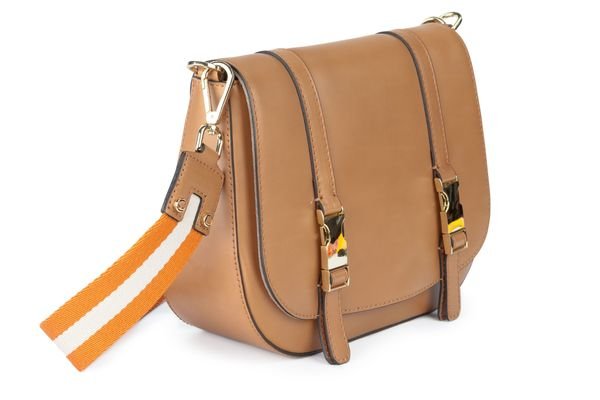
Bags and backpacks should complement rather than compete with layered outfits. Neutral options work across various combinations, while statement bags can echo colors or themes from your clothing layers. Consider proportion here, too; bulky layering pairs better with streamlined bags.
Footwear grounds layered looks literally and figuratively. Sneakers maintain casual vibes, boots add edge or sophistication depending on style, and clean white sneakers provide versatile foundations for countless layering combinations. Quality footwear from reliable sources like synashops.com ensures your foundation matches your layering efforts.
Common Layering Mistakes to Avoid
Even experienced dressers make layering errors. Recognizing common mistakes helps you avoid them in your own styling. The most frequent issue involves adding too many layers, creating bulk rather than dimension. Three layers typically suffice; more risks looking cluttered.
Ignoring proportions leads to unflattering silhouettes. All oversized layers create shapeless looks, while all fitted layers restrict movement and appear rigid. Mixing fitted and relaxed proportions creates the most appealing results. Pay attention to how each layer interacts with others.
Neglecting cohesive color schemes results in chaotic appearances. Random color combinations rarely work well together. Establish a palette before building layered outfits, ensuring each piece complements the others. This planning prevents morning wardrobe crises and ensures consistently polished results.
Building a Layering-Friendly Wardrobe
Strategic wardrobe building maximizes layering potential. Focus on versatile pieces that work across multiple combinations rather than items requiring specific pairings. Neutral basics form foundations, while selective statement pieces add personality without limiting options.
Invest in quality middle layers since these pieces see frequent use and significantly impact overall aesthetics. Well-constructed hoodies, sweaters, and shirts withstand repeated wear while maintaining appearance. Cheap alternatives pill, stretch, and fade quickly, undermining your layering efforts.
Consider how new purchases integrate with existing pieces before buying. That jacket might look great alone, but does it work over your current hoodies? Strategic purchasing builds cohesive wardrobes where everything coordinates, simplifying daily outfit creation while expanding possibilities.
Confidence in Execution
Successful layering ultimately requires confidence in your choices. Fashion “rules” provide guidelines rather than absolute laws. Understanding principles allows you to experiment and develop a personal style that reflects individual preferences rather than blindly following trends.
Start with simple combinations and gradually experiment with more complex layering. Comfort in basics builds confidence for bolder attempts. Document combinations that work well, creating reference points for future styling decisions. Photography helps identify what works and what needs adjustment.
Conclusion
Mastering layering techniques transforms your relationship with your wardrobe. This skill multiplies outfit possibilities, adapts to various weather conditions, and elevates your overall style. Whether you’re building looks around quality basics or incorporating statement pieces, thoughtful layering creates sophisticated results.
Practice these principles consistently, and they become second nature. Soon you’ll instinctively know which pieces layer well together, how to balance proportions, and when to add or subtract layers for optimal results. The investment in learning proper layering techniques pays dividends in daily confidence and style.