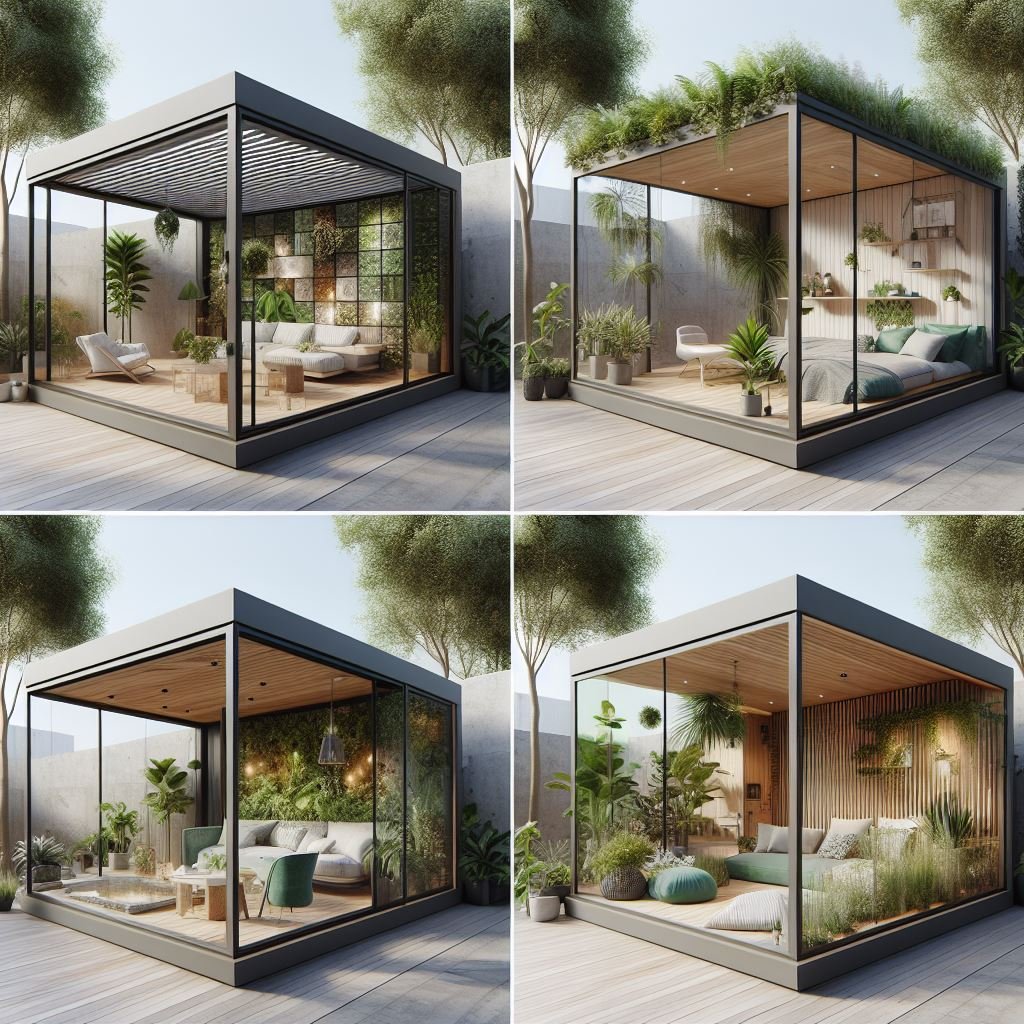
Creating a Home Environment that Blends Aesthetics and Everyday Comfort
Creating a home that is both visually appealing and comfortable is an art. It’s about finding that delicate balance

Creating a home that is both visually appealing and comfortable is an art. It’s about finding that delicate balance between style and functionality, ensuring that your living space is not just beautiful to look at but also a joy to live in. Today’s homeowners are more discerning than ever, seeking interiors that reflect their personal style while catering to their practical needs. This balance is achieved through innovative design and smart furniture choices, which can transform any space into a welcoming environment.
Incorporating the following essential elements can add warmth and character to your home, making it uniquely yours:
- Family photos, natural elements, and personal touches
- Open layouts and hidden compartments for aesthetic appeal and practical storage solutions
- Comfortable seating, soft lighting, and soothing colors to create a welcoming environment that feels like a true haven
Blending aesthetics with everyday comfort results in a home that is both visually pleasing and enjoyable to live in, showcasing its aesthetic charm. This approach not only enhances your living experience but also contributes to your overall well-being. As we delve deeper into the principles of home design balance, you’ll discover how to create a space that truly reflects your personal style and meets your everyday needs.
Understanding the Connection between Design and Comfort

Comfort should never be sacrificed for aesthetics. In fact, the two can complement each other beautifully. Interior design trends now emphasize both the functionality and aesthetic appeal of living spaces, recognizing that a visually pleasing environment can also be a functional space. For example, a well-planned layout facilitates movement and creates a practical environment, thereby increasing comfort.
Incorporating design elements can enhance overall comfort, such as:
- Soft textures
- Calming colors, for instance, soothing tones like blues and greens that contribute to a tranquil atmosphere, promoting relaxation and reducing stress
- Proper lighting, where soft lighting fosters relaxation and enhances a sense of security
Choosing the right sleep solutions is crucial for maintaining comfort without sacrificing design. A quality mattress, such as the Hipvan mattress, can provide the rest you need while fitting seamlessly into your bedroom’s aesthetic. Prioritizing comfort along with visual appeal nurtures both your body and mind in your living space.
Maintaining Comfort through Regular Cleaning
One essential aspect of creating a comfortable living environment is ensuring that the space is always neat and well-maintained. Regular cleaning, in particular, plays a big role in sustaining the feeling of comfort in a home. For example, Regular Cleaner in Burnley, I realized the benefits of hiring a regular cleaner to help manage household chores. Not only did it keep the home in pristine condition, but it also provided a sense of calm, knowing that I could enjoy the space without the constant pressure of cleaning. Having a cleaner allowed me to focus on family and personal time, freeing up my weekends for more enjoyable activities.
The Role of Furniture in Shaping Living Spaces

Furniture is a cornerstone of home design, defining the look and feel of a space. The materials, textures, and styles you choose can bring personality into your living areas. Quality pieces from trusted sources like Nova Furnishing can elevate a room, blending style and durability seamlessly. This ensures that your home remains not only stylish but also resilient to everyday wear and tear.
Open floor plans and multi functional furniture call for pieces that maximize floor space while maintaining harmony in the living environment. Multi functional furniture, such as a coffee table with storage or a sofa bed, can save space and enhance the living experience. Incorporating smart storage solutions and pieces that reflect light, like those made from recycled glass, can also add visual interest and make a room feel more spacious.
Outdoor spaces are an extension of your home, and selecting durable materials for outdoor furniture ensures longevity and continued enjoyment. Whether it’s a cozy reading nook or a guest room, the right furniture can transform any area into a functional space that caters to your needs.
Lighting, too, plays a pivotal role in shaping living spaces. From under cabinet lights to pendant lights, the right artificial lighting can highlight architectural features and create a visually pleasing environment with recessed lights. By considering these aspects, you can create a space that is both beautiful and practical, enhancing your overall living experience with desk lamps.
Professional Guidance for Creating Cohesive Interiors
Expert input can transform a house into a well-coordinated home. Collaborating with an interior designer or architect helps align structural design with aesthetic vision, ensuring that your home is both functional and visually pleasing. Professionals guide homeowners in selecting layouts, furnishings, and color schemes that achieve harmony, creating a cohesive environment.
One of the key strategies in achieving a unified look is focusing on a limited color palette and thematic grouping of decor items. This approach helps in maintaining a fresh and uncluttered appearance. Establishing a foundational color story can serve as a cohesive element across different spaces, tying the entire home together.
Interior designers also emphasize the importance of proper lighting. Layered lighting, including accent lighting and ambient lighting, can highlight architectural features while highlighting architectural features and create a calming atmosphere. By trusting personal instincts and combining contrasting textures and forms, homeowners can create a space that is both authentic and harmonious.
Balancing Practicality with Personal Style
Balancing day-to-day needs with personal style is an essential aspect of home decor. Homeowners can achieve this by layering textures, optimizing storage, and choosing décor that reflects their individuality. Practical choices, like selecting washable fabrics or robust furniture, can coexist alongside stylish accents to create a visually appealing yet functional environment.
Each home’s needs affect the balance of style and practicality. Families may prioritize durability over aesthetics at certain life stages, opting for materials that withstand frequent use. As family dynamics change, such as children growing up, homeowners may begin to prioritize aesthetic elements more heavily in their decor decisions.
Incorporating personal touches and natural textures can enhance aesthetics and add warmth to the home. A neutral color palette can serve as a timeless backdrop, allowing personal elements to stand out without creating visual chaos. Smart technology, such as task lighting focuses and smart lighting, can further enhance both beauty and functionality.
Merging style with practicality allows homeowners to create spaces that are both beautiful and livable. This approach not only reflects personal taste but also ensures that the home remains a comfortable and welcoming environment.
Creating Spaces that Encourage Well-being
The home environment significantly impacts physical and emotional well-being. Factors like natural light, air flow, and the calming effect of a thoughtfully designed bedroom or living room play crucial roles in promoting well-being. Incorporating nature indoors by maximizing natural light in a room can uplift one’s mood and overall feeling of well-being.
Incorporate plants into living spaces can significantly reduce stress and enhance focus, creating a harmonious living environment. Designing communal areas that foster social interaction can help combat feelings of isolation, while private spaces dedicated to relaxation provide necessary moments of solitude and recharge.
Personalizing a space with meaningful items can transform it into a source of joy and inspiration. Quality mattresses and durable furniture contribute to physical well-being, ensuring that your home supports your health and comfort. Creating spaces that encourage mental well being enhances both mental and physical health.
Summary
In summary, creating a home that balances aesthetics and comfort involves thoughtful design, smart furniture choices, and professional guidance. By focusing on both visual appeal and practical comfort, you can create a living space that enhances your well-being and reflects your personal style. Start making meaningful changes today to transform your home into a sanctuary of beauty and comfort.
Frequently Asked Questions
How can I balance aesthetics and practicality in my home design?
To effectively balance aesthetics and practicality in your home design, focus on durable materials and smart storage solutions while incorporating décor that reflects your personal style. This approach ensures that your space remains both visually appealing and functional.
Why is professional guidance important in home design?
Professional guidance in home design is essential to create a cohesive and harmonious living space that aligns structural elements with aesthetic vision. By utilizing the expertise of interior designers, homeowners can achieve well-coordinated layouts, furnishings, color schemes, and lighting.
How do I create a calming atmosphere in my living space?
To create a calming atmosphere in your living space, opt for soothing colors like blues and greens, incorporate soft lighting, and select comfortable furniture. Additionally, integrating natural elements such as plants and personal touches will enhance the tranquility of your environment.
What role does lighting play in home design?
Lighting is essential in home design as it helps create ambiance, highlights architectural features, and enhances comfort. Layered lighting can significantly transform a space, making it more visually appealing.
How can I improve the well-being of my home environment?
Maximizing natural light, incorporating plants, and designing communal areas for social interaction can significantly enhance your home environment. Personalizing your space with meaningful items and selecting quality furnishings will further improve your physical and emotional well-being.